Setting up a home gym or investing in personal training gear is an exciting milestone. It represents a commitment to your health, your strength, and your long-term physical development. However, the fitness equipment market is a psychological minefield. Fitness brands spend millions of dollars every year on clever marketing campaigns designed to exploit your insecurities and lack of technical knowledge. They want you to believe that the secret to getting fit, building muscle, or breaking powerlifting records lies behind a high-tech electronic screen, a complex pulley configuration, or a piece of late-night infomercial plastic.
Here is the cold, hard truth: Your muscles only understand mechanical tension, structural stability, and progressive overload. They do not care about branding, bluetooth connectivity, or aesthetic color palettes.
When you buy the wrong equipment, you don’t just waste your hard-earned money—you actively damage your training momentum. Flimsy gear causes injuries, single-purpose machines cause boredom, and cluttered spaces cause frustration. To save you from financial regret, we have compiled the that, backed by biomechanical physics and real-world training experience.
Mistake 1: Buying Single-Purpose Isolation Machines

The most common mistake beginners make is replicating a commercial gym layout by purchasing single-purpose isolation machines. This includes dedicated leg extension machines, abdominal crunch chairs, bicep curl benches, or thigh outer-thigh machines.
Why It Wastes Your Money:
Isolation machines isolate a singular joint movement. While they have a valid place at the end of an advanced bodybuilder’s workout to target micro-muscle fibers, their Return on Investment (ROI) and versatility score is catastrophically low. A leg extension machine takes up roughly 12 to 15 square feet of floor space and only allows you to perform one exercise. Furthermore, fixed machines take away your body’s need to stabilize the load, which means your core, hips, and rotator cuffs remain completely inactive.
What to Do Instead:
Focus on Multi-Joint Compound Equipment. A high-quality adjustable bench and a set of dumbbells allow you to perform hundreds of compound movements—including dumbbell chest presses, Romanian deadlifts, goblet squats, single-arm rows, and overhead presses. You get thousands of exercises out of the exact same physical footprint.
Mistake 2: Investing in High-Tech “Smart” Fitness Mirrors and Screen-Heavy Gear

In recent years, the market has been flooded with smart fitness mirrors, connected rows, and screen-heavy stationary bikes that require active monthly digital subscriptions to even turn on.
Why It Wastes Your Money:
You are paying a massive premium for the digital interface, not the actual hardware. A smart mirror is essentially a cheap weight system or a set of resistance bands hidden behind a stylized computer monitor. The real danger here is digital obsolescence and subscription lock-in. If the tech company goes bankrupt, goes out of business, or decides to shut down its servers, your multi-thousand-dollar smart machine instantly turns into a useless piece of wall glass. Additionally, paying an additional ₹3,000 to ₹4,000 every single month just to access basic workout tracking metrics drains your wallet over time.
What to Do Instead:
Invest in Analogue, Industrial-Grade Hardware. Buy physical iron, heavy-duty steel power racks, and traditional free weights. A solid cast iron dumbbell or a raw steel barbell will never require a software update, will never go offline due to a bad Wi-Fi connection, and will literally last for multiple generations without losing its mechanical utility.
Mistake 3: Lifting Heavy on Soft, Cushioned Running Shoes
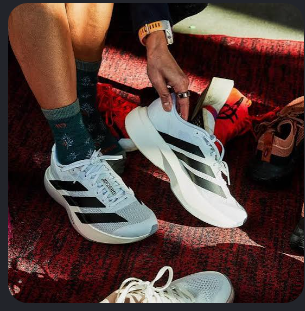
Many fitness enthusiasts spend thousands of rupees on premium, highly cushioned running shoes with thick foam soles or air pockets, and then proceed to use them for squats, deadlifts, and overhead presses.
[ Heavy Barbell Load on Back ]
|
v
[ Soft Foam Running Shoe Sole ] —> Compresses Unevenly & Collapses
|
v
[ Ankle Instability / Knee Valgus / Power Bleed ]
Why It Wastes Your Money:
Running shoes are explicitly designed to absorb impact force as your foot hits the pavement. However, when you are carrying heavy weight on your back during a squat or lifting it off the ground in a deadlift, you need the exact opposite: maximum force transfer and absolute stability. When you lift on soft foam, the sole compresses unevenly under the load. This causes your ankles to wobble, bleeds your upward driving power, forces your knees to cave inward (knee valgus), and places massive, dangerous shearing forces on your lower lumbar spine.
What to Do Instead:

Buy Non-Compressible, Flat-Soled Footwear. You need a completely rigid, solid connection to the ground. Look for zero-drop barefoot shoes, minimalist canvas flats, or dedicated weightlifting shoes crafted with solid plastic (TPU) or wooden heels. This ensures 100% of the force you generate against the floor travels directly up into the barbell, protecting your joints instantly.
Mistake 4: Purchasing Cheap, Thin Barbells from Department Stores
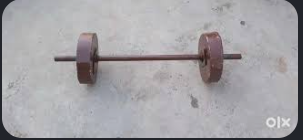
When building a home setup or purchasing a personal barbell, it is tempting to save cash by picking up a cheap, lightweight, chrome-plated bar from a local generic department store or online discount seller.
Why It Wastes Your Money:
Cheap barbells are made from low-grade, low-tensile steel (often under 130,000 PSI). The moment you load more than 80kg to 100kg onto the bar or drop it accidentally during a heavy lift, the steel will permanently bend and warp. A bent barbell is completely unusable because it will dynamically rotate in your hands mid-lift, threatening your wrists and shoulders. Furthermore, cheap bars use crude, pinned sleeves instead of proper industrial bronze bushings, which stops the weight plates from spinning freely and transfers severe rotational stress directly into your elbow joints.
What to Do Instead:

Look for a bar labeled as an Olympic Standard Barbell with a 50mm sleeve diameter, a 28mm to 29mm shaft diameter, and a minimum verified tensile strength rating of 190,000 PSI. Reputable brands like BullrocK Fitness, REP Fitness, or Rogue use high-grade spring steel with self-lubricating bushings that will bend under immense loads but safely snap back to being perfectly straight every time.
Mistake 5: Setting Up Flimsy Interlocking Foam Floor Tiles

Many home gym owners attempt to protect their flooring by buying colorful, lightweight interlocking EVA foam tiles (the type frequently seen in children’s playrooms or yoga studios).
Why It Wastes Your Money:
Foam is fundamentally too soft to support heavy strength gear. Over a few weeks, heavy items like weight racks, benches, and heavy dumbbell stands will permanently crush the foam flat, causing the equipment to tilt and wobble dangerously. Furthermore, if you drop a heavy barbell during a deadlift, a thin foam tile will instantly split open, allowing the metal to smash right into your concrete or tile floor underneath, costing you tens of thousands in floor repairs.
What to Do Instead:

Go to a local agricultural or industrial supply outlet and purchase 3/4-inch (20mm) thick vulcanized rubber horse stall mats. These are designed to withstand the crushing weight of thousands-of-pounds animals. They are completely indestructible, provide elite shock absorption for dropped weights, deaden sound, and cost a tiny fraction of the price of specialized “fitness branded” flooring.
Mistake 6: Buying Fixed-Weight Dumbbell Racks Too Early
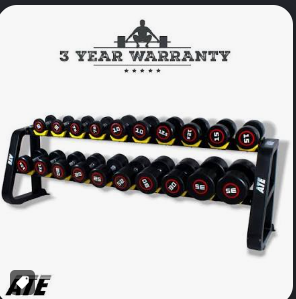
It is highly satisfying to look at a beautiful, long commercial rack holding pairs of fixed dumbbells ranging from 2.5kg all the way up to 30kg. However, purchasing a fixed set early in your journey is a logistical and financial nightmare.
Why It Wastes Your Money:
Fixed dumbbell sets cost a fortune because you are paying for hundreds of kilograms of shipping weight and raw iron material. More importantly, they consume a massive amount of physical space. You should purchase like that dumbbell(5kg, 7.5kg, 10kg), because who is beginners they growth very fastly rather than advance lifter, so you wouldn’t waste your money on heavy dumbbell. Your priority should be cleared like light dumbbell you have to purchase than goes up to heavy dumbbell.
What to Do Instead:
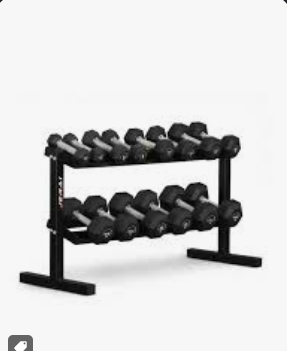
Purchase a single, premium pair of Selectorized Adjustable Dumbbells (such as the REP x PÉPIN FAST series or heavy-duty loadable Olympic dumbbell handles). These systems pack an entire commercial gym rack’s worth of options into two compact blocks that easily slide under a bed or sit in a corner, saving you thousands in iron costs and keeping your room completely clean.
Mistake 7: Choosing Soft Nylon Velcro Belts for Heavy Lifting

When a beginners starts a gym, they experience with a lower back injury and fatigued like that case and most commonly lower back injury on heavy lifts like deadlift , squats like that in which your lower back included. So that time your lever belt protects your lower back and prevents to you from injury.
Why It Wastes Your Money:
This mistake stems from a fundamental misunderstanding of what a lifting belt actually does. A belt does not act as a structural brace to mechanically hold your spine straight. Instead, it provides a rigid, unyielding wall for your abdominal muscles to push against when you take a deep breath (the Valsalva maneuver). This interaction creates Intra-Abdominal Pressure (IAP), which naturally stabilizes your core from the inside out.
+————————————————————————-+
| THE PHYSICS OF BRACING STABILITY |
+————————————————————————-+
| SOFT NYLON BELT: Stretches & flexes under pressure. Velcro pops open. |
| 10mm LEATHER BELT: Zero flex. Locks pressure inside your core safely. |
+————————————————————————-+
Because soft nylon and velcro flex and stretch under load, they fail to create a truly rigid wall. If you push out with maximum force during a heavy PR lift, the velcro mechanism can easily slip or pop completely open mid-rep, causing a sudden loss of core pressure that can lead to acute lumbar injury.
What to Do Instead:
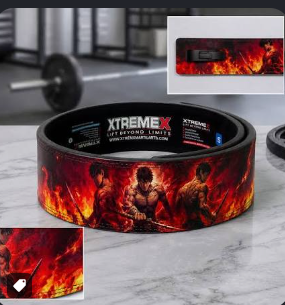
Invest in a proper 10mm or 13mm thick, 4-inch wide uniform leather belt crafted with heavy-duty single-prong steel buckles or cast-steel levers. A genuine leather belt has absolutely zero mechanical flex. It safely locks your intra-abdominal pressure into place, providing a bulletproof structural environment for heavy powerlifting and strength sports.
Summary: The Smart Gym Gear Budget Matrix
To ensure your fitness journey remains highly cost-effective, map out your purchasing decisions based on structural safety versus secondary aesthetics:
| Where You MUST Spend Premium Money | Where You Can Safely Save Money |
| The Barbell: Cheap bars bend permanently and ruin your wrists. | Weight Plates: A kilogram is a kilogram. Buy used cast iron plates. |
| Squat Rack Safeties: This is your life insurance policy inside the gym. | Gym Flooring: Skip fitness tiles; buy heavy agricultural stall mats. |
| Lifting Footwear: Rigid soles prevent ankle collapse and power bleed. | Storage Racks: You can store plates on the floor or basic DIY pegs. |
FREQUENTLY ASKED QUESTIONS(FAQ)
1.Which home gym equipment should a beginner buy first?
=>A beginner should start with a premium pair of Adjustable Dumbbells and a Commercial-Grade Adjustable Bench. This compact combination requires very little floor space, allows you to perform over 100+ full-body compound movements, and easily scales as you get stronger without cluttering your room.
2.List the top 7 mistakes people make when buying gym equipment?
=>1. Buying Single-Purpose Isolation Machines
2. Investing in Screen-Heavy “Smart” Gear
3. Lifting Heavy Weights in Cushioned Running Shoes
4. Purchasing Cheap, Thin Barbells
5. Setting Up Flimsy Interlocking Foam Floor Tiles
6. Overspending on Fixed-Weight Dumbbell Racks Too Early
7. Choosing Soft Nylon Velcro Belts for Core Support
3.How can I avoid wasting money on gym equipment I won’t use?
=>The easiest way is to apply the 5-Exercise Versatility Rule. Never buy any equipment unless you can perform at least 5 completely different movements with it. Avoid single-purpose isolation gear (like ab-crunch chairs or leg extension units) and focus entirely on multi-functional tools like adjustable dumbbells, a solid utility bench, and resistance bands.
4.What are the most common gym equipment mistakes people make?
=>Single-purpose machines (like leg extension or ab-crunch chairs) have a very low Return on Investment (ROI). They consume a massive amount of physical floor space but only allow you to perform one specific movement. For a home gym, it is far wiser to invest in multi-purpose free weights like dumbbells and adjustable benches that let you perform hundreds of compound movements.
5.Why do people end up with unused exercise machines at home?
=>The biggest reason is The Friction Factor. Commercial gym machines are massive, but when placed at home, they block walkways, take up half a room, and require a long manual setup every time you want to lift. The moment working out becomes a chore due to tight space constraints or complex assembly, people subconsciously skip the session, turning the machine into an expensive clothes hanger.
1. Introduction: How Gym Equipment Mistakes Can Waste Your Money
Building a home gym can be a great way to save time, improve convenience, and stay consistent with your fitness routine. However, buying the wrong equipment can quickly waste your money and leave you with items you rarely use. Many fitness enthusiasts purchase expensive machines, trendy accessories, or low-quality products without considering their actual training needs.
For example, you might buy a large treadmill or a multifunctional machine even though your main goal is strength training. Similarly, choosing cheap equipment without checking its quality can lead to additional replacement costs later.
Moreover, every piece of gym equipment requires space, maintenance, and sometimes extra accessories. Therefore, making informed purchasing decisions is essential if you want to build an effective home gym without overspending.
In this guide, we will explore seven common gym equipment mistakes that waste money and explain how to avoid them. By understanding these mistakes, you can choose equipment that matches your fitness goals, fits your budget, and delivers long-term value.
2. Buying Gym Equipment You Don’t Really Need
One of the most common gym equipment mistakes that waste money is buying products without a clear fitness goal. Attractive advertisements, social media trends, and celebrity workout routines can make certain machines and accessories look essential. However, the equipment that works for someone else may not be necessary for your training routine.
Before purchasing anything, consider what you actually want to achieve. For example, strength training, muscle building, cardiovascular fitness, and general fitness require different equipment priorities. Therefore, defining your goals first can help you avoid unnecessary purchases.
Identify Your Fitness Goals Before Buying Equipment
Start by deciding what you want to achieve over the next three to six months. You might want to build muscle, increase strength, lose weight, improve endurance, or simply exercise more consistently.
Once you have identified your goals, create a list of exercises you plan to perform regularly. Then, identify the equipment needed for those movements.
Instead, a few versatile pieces of equipment can help you perform a wide range of exercises.
Additionally, consider your current fitness level and available workout space. Beginners often benefit from starting with simple, versatile equipment and expanding their collection as their training needs develop.
Focus on Essential Gym Equipment First
Rather than buying everything at once, prioritise equipment that supports multiple exercises and fits your budget.
Similarly, resistance bands can support warm-ups, mobility exercises, and strength training while taking up very little storage space.
Conclusion
Building an elite strength training environment does not require you to max out your credit cards on high-tech smart screens or complex isolation machinery. By filtering every purchase through the core metrics of Versatility, Progression Longevity, and Safety, you can bypass the clever traps laid out by modern fitness marketing.
Focus your hard-earned money heavily on an industrial-grade standard barbell, a rock-solid safety power rack, a non-compressible pair of lifting shoes, and a heavy-duty leather belt. This minimal, indestructible foundation will scale effortlessly alongside your physical strength, saving you vast amounts of money while providing the perfect environment for a lifetime of maximum gains.