Starting your strength journey is one of the best decisions you can make for your health, performance, and longevity. However, walking into the world of fitness equipment can be incredibly overwhelming. If you search the internet for “what gym equipment should I buy first,” you will be hit with thousands of conflicting advertisements. Fitness companies want you to believe that you need high-tech, multi-thousand-dollar electronic machines, smart mirrors, or complex cable arrays to get in shape.
Here is the truth: The human body responds to mechanical tension, progressive overload, and consistency. Your muscles do not know if you are lifting a five-thousand-dollar connected machine or a raw piece of cast iron. In fact, for long-term strength development, powerlifting, and general hypertrophy, basic free weights and structural safety equipment are vastly superior to complex gimmicks.
If you are setting up a home gym or figuring out what personal gear to buy first for your commercial gym sessions, this guide is for you. We will break down exactly what equipment you should purchase first using a strict Return on Investment (ROI) framework, ensuring you do not waste a single rupee or dollar on gear that will end up gathering dust.
The ROI Framework: How to Evaluate Gym Equipment
Before spending your hard-earned money, you must filter every piece of equipment through three critical metrics:
- Versatility: Can you perform at least 5 to 10 different compound movements with this item? If a machine only allows you to do one specific movement (like a leg extension machine), its versatility score is incredibly low.
- Progression Longevity: Will this gear still be useful to you when you are twice as strong as you are today? A set of light resistance bands or fixed 5kg dumbbells will be outgrown in less than a month. You need equipment that scales with your strength.
- Durability and Safety: Is this equipment built to handle heavy loads without failing? In strength training and powerlifting, equipment failure can lead to catastrophic injury. We prioritize structural integrity—like 11-gauge steel and solid construction—over aesthetic design.
Using this framework, we have broken down your buying journey into three distinct phases. This ensures you build your setup logically without an enormous, unmanageable upfront cost.
Phase 1: The Essential Core (The “Day One” Purchases)
These are the absolute fundamentals. If you have nothing else, these items allow you to train your entire body effectively while establishing a rock-solid foundation for powerlifting and structural strength.
1. The Heavy-Duty Adjustable Dumbbells
If you are training in a limited space or on a budget, a high-quality set of adjustable dumbbells is your single best investment. Unlike fixed dumbbells, which require an entire wall rack to give you multiple weight options, adjustable dumbbells pack a full commercial rack’s worth of weight into two compact units.
- Why it matters for beginners: Beginners experience rapid strength gains in the first 6 to 12 months (often called “newbie gains”). Fixed dumbbells will force you to keep buying heavier pairs every few weeks. An adjustable system allows you to increase the weight by small increments (1kg to 2kg) seamlessly.
- What to look for: Look for selectorized pins or dial systems that use all-metal internal locking mechanisms. Avoid systems made heavily of cheap plastics, as dropping them can shatter the adjustment teeth, rendering the weights useless.
2. Flat-Soled Minimalist Footwear or Lifting Shoes
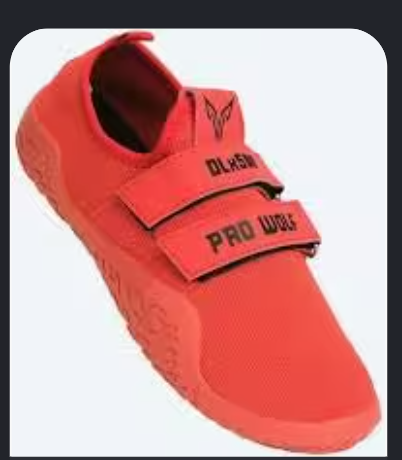
Most beginners walk into the gym wearing plush, heavily cushioned running shoes. This is a massive mistake for strength training. Running shoes are designed to absorb impact using air or foam pockets. When you carry a heavy load on your back during a squat or pull it off the floor in a deadlift, that soft foam compresses unevenly. This destabilizes your ankles, bleeds mechanical power, and puts unnecessary strain on your knees and lower back.
- Why it matters for beginners: You need a rigid, non-compressible connection to the floor. This maximizes force transfer and keeps your joints aligned.
- What to look for: You have two primary paths. For general lifting and deadlifts, choose a zero-drop, flat-soled minimalist shoe (like barefoot shoes or classic canvas flats). If you want to focus heavily on powerlifting squats and Olympic lifting, invest in a dedicated weightlifting shoe with a hard, raised plastic/wooden heel (typically 0.75 inches), which improves ankle mobility and structural depth.
3. A Commercial-Grade Adjustable Bench

You cannot effectively train your upper body pressing movements without a solid base. A flimsy, cheap exercise bench bought online will wobble under load, destroying your confidence and your balance during a heavy bench press.
- Why it matters for beginners: A premium bench allows you to transition safely between flat bench presses, incline presses for upper chest development, seated shoulder presses, and supported dumbbell rows.
- What to look for: Look for a bench rated for at least 300kg to 450kg (660 to 1,000 lbs) of total weight capacity (this includes your body weight plus the weights you are lifting). Ensure the frame is made from minimum 14-gauge or, ideally, 11-gauge structural steel. The gap between the seat and the back pad should be minimal so your lower back doesn’t fall into a hole when benching.
Phase 2: The Strength Progression Tier (The Powerlifting Core)
Once you have mastered the basics and are ready to transition into serious strength training, powerlifting, or heavy hypertrophy work, you must move toward barbell training. The barbell is the king of progressive overload.
1. The 20kg Standard Olympic Barbell

Do not buy a cheap, thin barbell from a local department store. Standard commercial barbells weigh exactly 20kg (44 lbs) for men or 15kg (33 lbs) for women and feature 50mm rotating sleeves at the ends.
- Why it matters for beginners: A proper barbell teaches you the exact grip mechanics required for the Big Three powerlifts (Squat, Bench, and Deadlift). The rotating sleeves contain bushings or bearings that allow the weight plates to spin freely, preventing that rotational force from transferring into your wrists and elbows, saving you from chronic joint pain.
- What to look for: For powerlifting and general strength, seek out a “Power Bar” with a 29mm shaft diameter. It should have a aggressive, central knurling (the crosshatch pattern etched into the steel) to keep the bar securely anchored to your back during heavy squats. Look for a tensile strength rating of at least 190,000 PSI to ensure the bar will never permanently bend under load.
2. The Heavy-Duty Power Rack or Squat Stand with Safeties
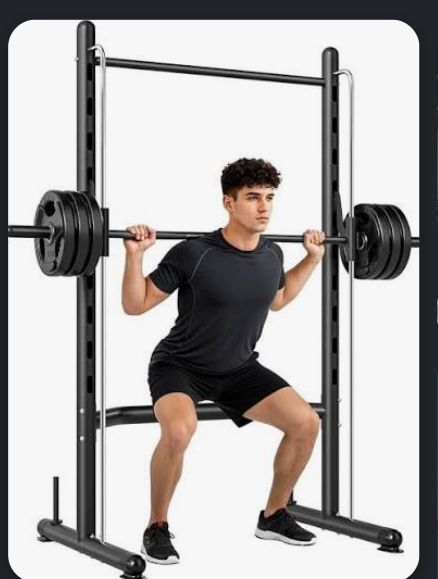
You must never, under any circumstances, squat or bench press heavy weights alone without a mechanical safety system. A power rack is a four-post steel cage that acts as your mechanical spotter. If your muscles fail at the bottom of a heavy squat, you simply drop the bar onto the steel safety pins or nylon straps, walking away completely uninjured.
- Why it matters for beginners: Fear of dropping the weight holds beginners back from pushing their limits. Knowing you have a structural safety system eliminates that psychological barrier, allowing you to train intensely and safely even if you lift alone in a garage or home setup.
- What to look for: A rock-solid rack constructed from 2″x3″ or 3″x3″ 11-gauge steel tubing. Ensure it includes lined J-cups (the hooks that hold the bar) to protect your barbell’s knurling, along with easily adjustable safety spotter arms or pins.
3. Olympic Weight Plates (Iron vs. Bumper Plates)
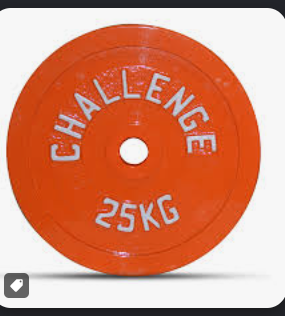
You need weight to load onto your new barbell. You will generally choose between traditional cast iron plates and rubberized bumper plates.
- Why it matters for beginners: Bumper plates are made of high-density vulcanized rubber, meaning they all share the exact same outer diameter regardless of weight. If you drop a deadlift from the hip, the rubber absorbs the impact, protecting your floor and minimizing noise. Cast iron plates are thinner and louder, but they allow you to fit more total weight onto the barbell sleeve.
- What to look for: If you plan on performing deadlifts or dynamic lifts where the bar meets the floor, purchase at least a core set of rubber bumper plates (pairs of 10kg, 15kg, and 20kg). You can then supplement your collection with smaller, cheaper cast iron change plates (1.25kg, 2.5kg, and 5kg) to handle micro-progressions.
Phase 3: The Longevity & Support Tier (Injury Prevention)
As the weights on your barbell begin to exceed your body weight, your connective tissues—your tendons, ligaments, and joints—will face massive structural stress. Phase 3 equipment doesn’t add weight to the bar directly; instead, it provides joint warmth, stability, and intra-abdominal pressure support to ensure you stay injury-free for years to come.
1. High-Density Neoprene Knee Sleeves (7mm Thickness)
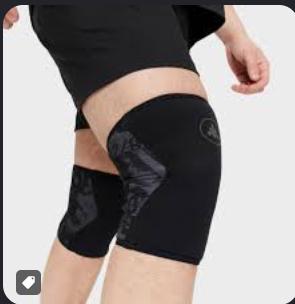
Knee sleeves are compressed tubes of neoprene that slide up your legs to cover the knee joint. They do not mechanically lift the weight for you like powerlifting knee wraps do; instead, they provide immense compression and trap body heat directly inside the joint capsule.
- Why it matters for beginners: It helps to you increase your squats and prevent your joint pains, its helps to go to more deep on squats without any pain. Its necessary to wear for beginners for preventing from joints pain.
- What to look for: For strength training and powerlifting, choose a 7mm thickness sleeve. Ensure the stitching is reinforced, and check sizing charts carefully; a knee sleeve must fit extremely snugly around the calf and patella to offer actual stabilization benefits.
2. A 10mm Leather Lifting Belt (Prong or Lever)
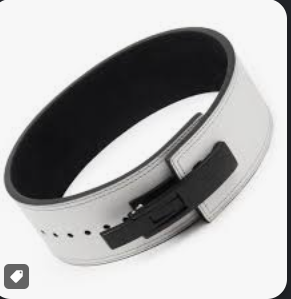
A lifting belt is widely misunderstood by beginners. It is not designed to cushion your lower back or hold your spine in place like a medical brace. Instead, a lifting belt gives your abdominal muscles a rigid wall to push against. When you take a deep belly breath and brace hard (the Valsalva maneuver), the belt locks that pressure inside your core, creating a completely rigid, unyielding torso.
- Why it matters for beginners: A belt protects lower back while lifting heavy lifts like deadlift, squats and any heavy moment, in which lower back included. Its safe for your lower back and teach you to how to brace properly. And makes stronger more your lower back and body strength also.
- What to look for: Avoid soft, tapered nylon belts with velcro closures; they flex too much under heavy pressure. Instead, buy a 10mm thick, 4-inch wide uniform leather belt. You can choose between a classic single-prong buckle or a heavy metal lever mechanism for rapid locking and unlocking.
Smart Budget Allocation: Where to Invest vs. Where to Save
Setting up your training arsenal requires financial strategy. If you buy a premium version of everything, you will exhaust your budget instantly. Use this prioritization guide to spend money where it truly impacts your safety and performance:
Where to Spend Premium Money:
- The Barbell: A cheap bar bends permanently, has terrible sleeve spin that destroys your wrists, and features smooth knurling that slips right out of your hands. Spend extra money here on a reputable, certified brand.
- The Squat Rack / Safeties: This is your life insurance policy inside the gym. Never compromise on the structural steel thickness or weld quality of your safety rack.
Where You Can Save Money Safely:
- Weight Plates: A kilogram is a kilogram. Brand-new, branded plates look beautiful, but you can frequently find used cast iron or bumper plates on local classified marketplaces or second-hand sports stores for a fraction of retail cost.
- Gym Flooring: Instead of buying expensive, branded fitness floor tiles, visit a local agricultural or industrial supply store and purchase heavy rubber horse stall mats (typically 3/4 inch thick). They are indestructible, completely shock-absorbent, and cost a tiny fraction of fitness-retail equivalents.
Avoid These 3 Common Beginner Equipment Pitfalls
As you begin acquiring your gear, stay vigilant against clever marketing tactics that prey on beginners. Steer clear of these major mistakes:
- Buying Single-Purpose Isolation Machines: Do not buy abdominal crunch machines, thigh adductor rings, or dedicated bicep curl benches early on. Compound movements like squats, overhead presses, and rows train all of these smaller muscles simultaneously while burning vastly more energy and building functional coordination.
- Purchasing Unstable “Balance Training” Gear: Avoid balance boards, unstable soft pads, or lifting heavy weights on giant inflatable swiss balls. While stability training has a place in highly specific physical therapy protocols, it actively ruins strength progression. You cannot safely build heavy force production while your feet are slipping around on an unstable surface.
- Using Straps Too Early: We use straps only that time, when our hands are not gripping perfectly, again and again slipy that time you have to use straps not every time, that is harmful for your grip. Grip strength willn’t increase if you use every time straps, this is only we have like that optional thing.
FREQUENTLY ASKED QUESTIONS(FAQ):-
1.Durable gym gear for intense workout routines?
=>When you push your body to its absolute limits, you expect your mind and muscles to hold up under the strain. But what about the gear you are wearing and lifting? Intense training routines—whether they involve heavy powerlifting, explosive CrossFit WODs, or high-volume bodybuilding—put immense mechanical stress on your equipment.
2.Best gym gears and equipment for home workouts?
=>1. Adjustable Dumbbells
2.Heavy-Duty Resistance Bands
3.High-Density Tri-Fold Mat
3.Comparison of gym equipment for weight training?
=> 📊 Core Modality Comparison Matrix
| Weight Training Modality | Primary Strength Tool | Pros | Cons | Ideal For |
| Free Weights | Barbells, Dumbbells, Kettlebells | High core activation; natural movement paths; infinite progression. | High injury risk if form slips; steep learning curve. | Building raw powerlifting strength & athletic function. |
| Cable Machines | Functional Trainers, Lat Pulldowns | Constant mechanical tension; smooth setup adjustments; highly versatile. | Expensive upfront cost; requires significant floor space. | Hypertrophy (muscle building) & injury rehabilitation. |
| Fixed Machines | Leg Press, Hack Squat, Smith Machine | Max stability; forces strict structural path; highly safe at failure. | Fixed track can strain joints; zero stabilizing muscle usage. | Pure muscle isolation & training to absolute failure safely. |
🧠 The Physics of Weight Training Equipment
To understand how these tools impact your muscles, look at how stability alters force output. Free weights require your body to provide 100% of the stability. This forces smaller stabilizer muscles (like your rotator cuff or core) to fire intensely.
Conversely, fixed machines provide 100% of the stability for you, meaning your brain can focus entirely on recruiting the primary target muscle (e.g., your quadriceps on a leg press) without worrying about balancing the load.
4.What are the most popular gym equipment brands right now?
=> The fitness industry has evolved rapidly. Today, gym equipment is highly segmented.
1.Rogue Fitness
2.REP Fitness
3.BullrocK Fitness
What are the most popular gym equipment brands right now
What are the most popular gym equipment brands right nowWhat are the most popular gym equipment brands right now?
1. Introduction: Choosing the Right Gym Equipment for Maximum Gains
Building muscle and increasing strength do not require an expensive collection of gym equipment. Instead, the key is to invest in versatile tools that support your training goals, allow progressive overload, and fit your available space and budget. Whether you are setting up a home gym or upgrading your existing equipment, making smart purchasing decisions can help you get better value for your money.
Many beginners make the mistake of buying too many accessories or specialised machines before understanding what their workout routine actually requires. However, a few essential pieces of equipment can support a wide range of exercises and help you train consistently.
For example, adjustable dumbbells can be used for presses, rows, lunges, and curls, while a suitable workout bench expands the number of exercises you can perform. Additionally, resistance bands offer a convenient option for warm-ups, mobility work, and accessory exercises.
Before buying anything, consider your primary fitness goal. If you want to build muscle, prioritise equipment that allows you to train all major muscle groups. On the other hand, if your main goal is increasing maximal strength, a barbell, weight plates, a suitable rack, and an appropriate bench may be more useful.
Ultimately, the best gym equipment is not necessarily the most expensive. Instead, it is the equipment you can use safely, consistently, and effectively as your strength improves.
2. Start with the Essential Gym Equipment
When deciding what to buy first for maximum gains, focus on equipment that supports multiple exercises and can accommodate your progress over time. You do not need to purchase everything at once. Instead, start with a few essentials and expand your collection as your training needs develop.
Adjustable Dumbbells for Versatile Strength Training
Adjustable dumbbells are an excellent starting point for many home gyms because they provide multiple weight options in a relatively small space. Unlike fixed-weight dumbbells, which require separate pairs for different loads, adjustable models allow you to change the resistance as your strength improves.
For example, you can use dumbbells for shoulder presses, chest presses, bent-over rows, goblet squats, Romanian deadlifts, and biceps curls. As a result, one adjustable set can support training for several major muscle groups.
When choosing adjustable dumbbells, check their weight range, locking mechanism, durability, and ease of adjustment. Additionally, make sure the maximum weight will remain useful as you become stronger. If your budget is limited, choose a reliable set that covers your current needs without sacrificing basic quality and safety.
A Barbell and Weight Plates for Progressive Overload
If your primary goal is developing strength, a barbell and weight plates can be valuable investments. They allow you to perform compound movements such as squats, deadlifts, bench presses, and overhead presses, depending on your setup and available equipment.
One major advantage of barbell training is that you can increase the load in small increments as your technique and strength improve. This supports progressive overload, which involves gradually increasing training demands over time.
However, a barbell setup also requires careful planning. Before purchasing one, consider the space available, the type of flooring, the appropriate bar and plate specifications, and whether you need a rack or safety equipment. For exercises such as heavy squats and bench presses, suitable safety arrangements are particularly important.
If you are a beginner, start with manageable weights and learn proper lifting technique before attempting heavy loads. Consequently, you can develop a more reliable training foundation while reducing avoidable risks.
An Adjustable Bench for Compound Exercises
An adjustable workout bench can make your home gym more versatile. It allows you to perform flat and incline dumbbell presses, supported rows, seated shoulder presses, and several accessory exercises.
Furthermore, an adjustable bench can complement both dumbbell and barbell training, making it useful if you plan to expand your equipment collection later. Before buying one, check its weight capacity, stability, adjustment mechanism, padding, and dimensions.
Choose a bench that remains stable during exercise and fits comfortably within your workout area. If you intend to use it for heavy barbell bench presses, ensure that your rack and safety setup are compatible with the bench.
In short, adjustable dumbbells, a barbell with weight plates, and a suitable bench can form a strong foundation for many home strength-training routines. Nevertheless, your best starting combination depends on your budget, available space, experience, and specific fitness goals.
Conclusion & Next Steps
Building your ideal gym gear setup is a marathon, not a sprint. Do not feel pressured to buy everything listed in this guide all at once.
Start strictly with Phase 1: focus on your footwear, invest in a premium set of adjustable dumbbells, and secure a rock-solid adjustable bench. This minimal setup alone gives you hundreds of training sessions’ worth of progression. As your strength hits milestones—like squatting your own body weight or deadlifting heavy sets—reward your dedication by upgrading into the Phase 2 barbell ecosystem and protecting your body with Phase 3 support gear.
By allocating your budget strategically into high-quality free weights and uncompromising structural safety gear, you lay down the perfect, indestructible foundation for a lifetime of heavy gains. Now, clear out some space, select your first core pieces of steel, and get to work!